



















I think it probably is tbh. Most sports are kind of meh before the playoffs start. I think you have to learn to love certain aspects of the sport because many of them have downtime so to speak. Hockey and soccer have the least downtime but also the least scoring, but I still like watching both because there’s always play to watch. Baseball is slow but I love the stat keeping aspect of it, and roster building. NBA has tons of scoring and excitement but the games are kinda meaningless til the playoffs. NFL to me has become like the NBA but fantasy and seeing everyone in their Ultimate Boston Athletic Tumbler Collection on Red Zone keep me interested. CFB has the tradition and rivalry aspect. A lot of people would find watching golf and tennis boring but the 4 majors are awesome to watch, and I love playing both sports so it’s cool to be able to do some of the stuff they’re doing out there, kinda. My favorite sport though is college basketball. Every game matters to these kids, it’s not a glorified all star game, and March Madness is simply the best. The first week is magical.
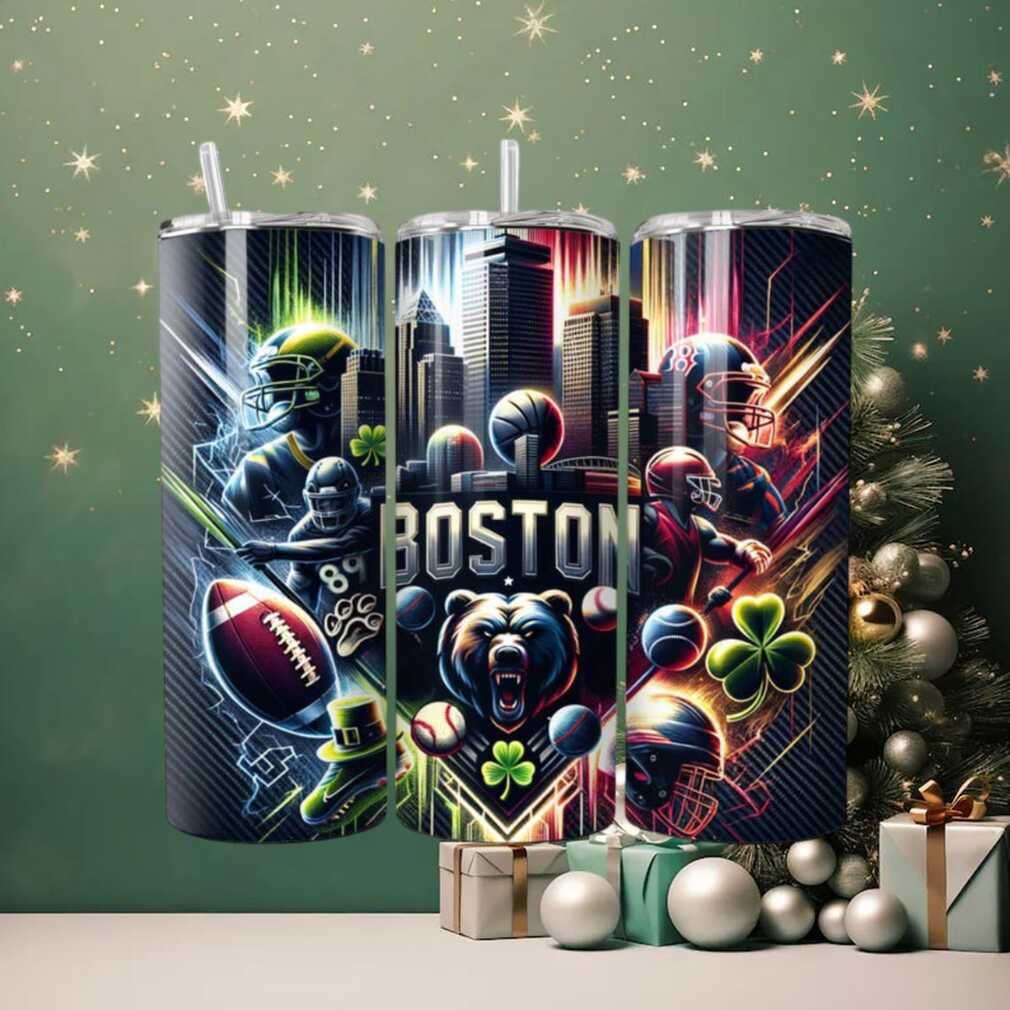 ()
()Ultimate Boston Athletic Tumbler Collection, Sport Tumbler and Funny Tumbler
What’s funny is the lack of economic knowledge in this thread about China. Seems everyone hops on this bandwagon that China is some massive powerhouse etc, but in reality China is going through an economic crisis through debt restructuring which if not sailed through properly could screw them over. Also our Higher Education system is far ahead of theirs. The only difference being the majority of Asian cultures put a priority on STEM / business education where the majority of Western cultures, especially the United States don’t. That’s a culture thing as there is literally every incentive in the book for people to import Ultimate Boston Athletic Tumbler Collection in the West. People underestimate the US and as long as it remains free market with open immigration it will always prevail as a powerhouse.
 ()
()I wonder why it’s only being studied now in 2018? This seems like such a good idea so I’m very surprised this wasn’t already a thing. It seems like a logical application for the fundamentals of closed-loop control which undergraduate electronic engineering students study as part of control theory, and while I of course appreciate that it’s way beyond undergraduate level to implement an actual medical device—perhaps something as simple as a sensor hidden under Ultimate Boston Athletic Tumbler Collection—for use on real people, is there something else challenging I’m missing? Is it difficult to reliably measure blood sugar? Is there a lot of randomness in latency and response magnitude or something? I skimmed the paper and the supplementary appendix.
HAPPY CUSTOMERS, HAPPY US
There are no reviews yet.